
How to Sit on a Plane with Lower Back Pain Traveling is an adventure that many look forward to, but for those who suffer from lower back pain, the prospect of sitting on a plane for an extended period can be daunting. With confined spaces, limited movement, and often uncomfortable seats, air travel can exacerbate back issues. However, with a bit of planning and practical strategies, you can make your flight more bearable. This article aims to provide you with effective tips and actionable steps to manage lower back pain during air travel. From strategically scheduling your flight to consulting your doctor and choosing the right gear, we’ve got you covered.
1. Strategically schedule your flight.
The timing of your flight can have a significant impact on your comfort level. Opt for flights during times of the day when your back pain is typically less severe. If you experience stiffness in the mornings, consider booking an afternoon or evening flight. This way, you’ll have more time to stretch and loosen up before boarding. Additionally, choose flights with fewer stopovers. Layovers can add unnecessary stress, increasing the time you spend seated and potentially worsening your back pain. Nonstop flights are ideal as they reduce the total time you need to be on the plane, offering a more comfortable travel experience.
2. Contact the airline.
Before flying, reach out to the airline to discuss your condition. Many airlines are equipped to assist passengers with medical conditions. Request a seat with extra legroom if possible; options like bulkhead or exit row seats often have more space, allowing you to stretch more comfortably. Moreover, inform the airline staff of any special needs you may have. Airlines may accommodate requests for pre-boarding, enabling you to settle in before the rush of other passengers. This additional time can allow you to organize your seat and any supportive devices you might bring along for the trip.
3. Ask your doctor for help.
Consult your healthcare provider before your trip. They can offer personalized advice tailored to your specific situation. Your doctor might recommend stretches or exercises to do before, during, and after the flight to alleviate pain. They can also provide guidance on the best ways to sit to support your back. Additionally, your doctor might suggest or prescribe medications to help manage pain and inflammation. Knowing you have medical experts’ approval for your travel plans can also provide peace of mind, making the journey less stressful.
4. Bring pain medication with you on the flight.
Carrying the proper medication can be crucial for managing lower back pain during your flight. Over-the-counter pain relievers such as ibuprofen or acetaminophen can help to mitigate pain. Ensure these are within easy reach, in your carry-on luggage, so you don’t have to struggle to access them mid-flight. For those with more severe pain, prescribed medication may be necessary. Always carry your prescriptions in their original containers to avoid issues with airport security. It’s also a good idea to bring a doctor’s note and list of medications in case you need to show them to security or airline staff.
5. Provide support to your back during the flight.
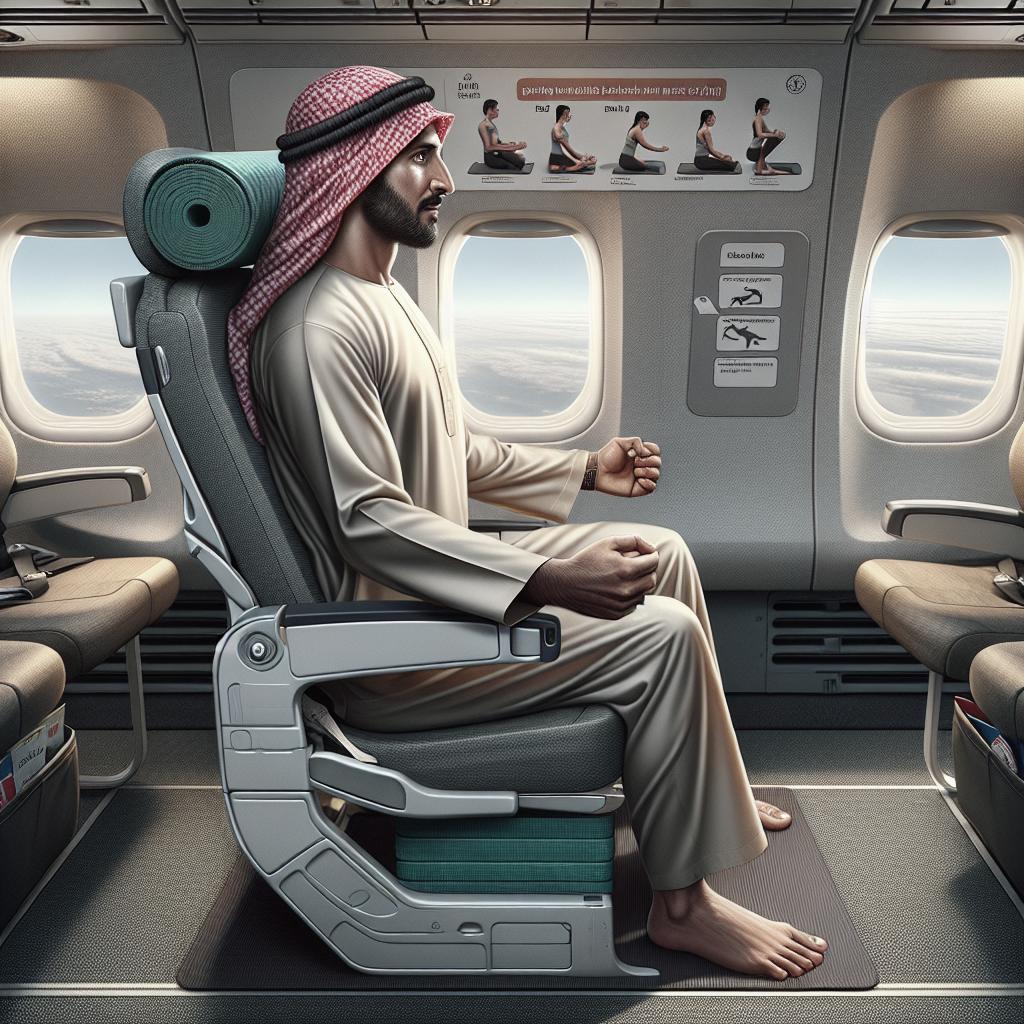
One of the simplest yet most effective strategies is to bring a lumbar support pillow with you. Specialized travel cushions designed to support the natural curve of your spine can help reduce discomfort during long flights. If you don’t have a lumbar pillow, a rolled-up jacket or blanket can serve as a makeshift support. Consider using an inflatable footrest to elevate your legs slightly. Keeping your legs elevated can help minimize lower back strain by reducing pressure on your spine. Many travel stores offer portable, inflatable footrests that are perfect for air travel.
6. Watch your posture.
Maintaining good posture is crucial when sitting for long periods. When seated, ensure your back is straight and your buttocks touch the back of the seat. Avoid slouching, as this can increase stress on your lower back and worsen your pain. Adjust the seat to support your spine correctly. Reclining slightly can help relieve pressure on your lower back, but be careful not to recline too much, as this can cause discomfort. Use the airplane’s headrest to keep your head and neck aligned with your spine, contributing to overall spinal health.
7. Move around during the flight.
Staying in one position for too long can exacerbate lower back pain. Make it a point to stand up and move around the cabin every 30 minutes to an hour. Walking a few steps and doing simple stretches can help prevent stiffness and improve circulation. If standing isn’t possible, stretches and exercises can also be done while seated. Foot flexes, knee lifts, and shoulder rolls can all be performed from your seat. Engaging in these activities can help keep your muscles relaxed and reduce pain.
8. Alternate between heat and ice.
Using heat and cold therapy can be very effective in managing lower back pain. Before your flight, apply a heating pad to your lower back for 15-20 minutes to relax tight muscles. Some airlines might provide hot towels, which you can place on your back during the flight. Conversely, if you experience inflammation, a cold pack can help reduce swelling and numb the discomfort. Portable gel packs that are activated by breaking a seal can be a convenient solution. Just make sure they are allowed through security by checking TSA regulations.
9. Relax and try to get some rest.
Stress and anxiety can magnify the perception of pain. Practicing relaxation techniques such as deep breathing exercises or meditation can help calm your nerves and relax your muscles. Bringing noise-canceling headphones, an eye mask, or a neck pillow can also aid in creating a more relaxing environment. If sleep is possible, it can be incredibly beneficial. Purchase comfortable travel accessories, such as a neck pillow, to support your sleep. Proper rest can alleviate back pain and make the flight feel shorter. Listening to soothing music or a guided meditation can also help you drift off during the flight.
Learn more:
If you’re interested in additional tips and products designed for comfortable travel, consider exploring specialized websites dedicated to travel health. Online forums and medical websites can offer advice and reviews on back support products, medications, and other travel essentials. You may also want to read up on yoga and stretching routines that are particularly beneficial for those with lower back pain. Online resources such as videos and articles can provide visual guides and additional tips to ensure you are well-prepared for your journey. Summary of main points “`html
| Strategy | Details |
|---|---|
| Strategically schedule your flight | Choose times when your pain is less severe, opt for non-stop flights. |
| Contact the airline | Request special accommodations like extra legroom and pre-boarding. |
| Ask your doctor for help | Seek personalized advice, exercises, and possibly medication. |
| Bring pain medication with you | Keep prescription and OTC medications accessible. |
| Provide support to your back | Use lumbar support pillows and inflatable footrests. |
| Watch your posture | Maintain a straight back, avoid slouching, use the headrest. |
| Move around during the flight | Walk every 30 mins to an hour, do seated stretches. |
| Alternate between heat and ice | Apply heat before the flight, use cold packs for inflammation. |
| Relax and try to get some rest | Use relaxation techniques and comfortable travel gear to sleep. |
“`

