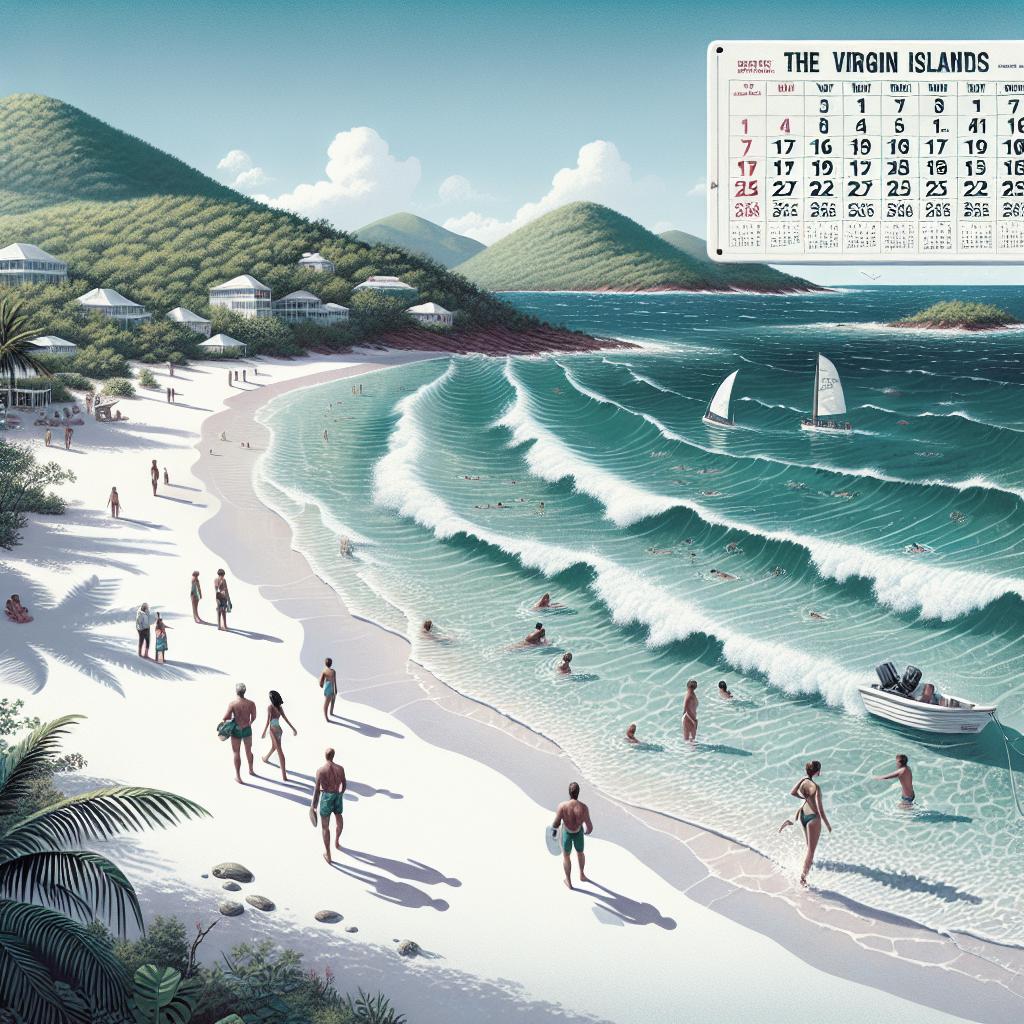
Best Time to Visit USVI: A Month-by-Month Guide The U.S. Virgin Islands, known for their pristine beaches, turquoise waters, and vibrant culture, are a popular holiday destination for travelers from around the globe. The best time to visit this beautiful archipelago isn’t only about the weather; it also hinges on your preferred activities, crowds, and budget. This comprehensive guide delves into the weather patterns, peak tourist seasons, and key holidays and events to help you decide the best month to plan your trip to the U.S. Virgin Islands. By the end of this guide, you’ll have a good understanding of what each month has to offer, making your vacation planning easier and more enjoyable.
Weather in the US Virgin Islands
The climate of the U.S. Virgin Islands is typically tropical, characterized by warm weather year-round. Average temperatures usually range between 77°F and 88°F, making it a perfect beach destination at any time. However, the islands do experience two distinct seasons: the dry season (December to April) and the wet season (May to November). The dry season is marked by pleasant, warm days and cooler nights, with little to no rainfall, making it the most favorable time to visit for those who prioritize perfect beach weather. Conversely, the wet season sees more frequent rain showers, higher humidity, and the occasional tropical storm or hurricane, particularly in the peak months of August and September.
Peak Tourist Season in the U.S. Virgin Islands
The peak tourist season in the U.S. Virgin Islands aligns with the Northern Hemisphere’s winter months, from mid-December to mid-April. During this period, visitors flock to escape the cold weather back home, resulting in increased flight and accommodation prices and busier beaches and attractions. If you prefer a quieter, more relaxed experience and are looking to save on costs, the shoulder months of late April, May, and November are ideal. The weather remains mostly favorable, but with fewer tourists and better deals on flights and accommodations.
Key Holidays & Events in the U.S. Virgin Islands
The U.S. Virgin Islands hosts a variety of vibrant events and cultural celebrations throughout the year. Notably, Carnival, held in April on St. Thomas and in late June and July on St. John, offers an exuberant showcase of music, parades, and traditional dancing. This energetic festival attracts visitors from around the world looking to immerse themselves in local culture. Other key events include the St. Croix Agricultural Fair in February, celebrating the island’s rich agricultural heritage with delicious local foods and crafts, and Thanksgiving, which though quieter compared to Carnival, still enjoys significant local festivities. Each event provides a unique insight into the islands’ culture and traditions.
January
January is a prime time to visit the U.S. Virgin Islands, thanks to its consistently warm weather and peak tourist season’s extended celebrations. Expect temperatures between 77°F and 84°F, with minimal rainfall. This month is highly popular, so book accommodations and activities well in advance. January is perfect for escaping winter chills and soaking up the sun on pristine beaches. It’s a great time for snorkeling, diving, and exploring nature trails.
February
February continues to enjoy favorable weather, similar to January, with average temperatures from 77°F to 84°F. Rainfall remains low, creating ideal conditions for beach activities and water sports. A highlight of February is the St. Croix Agricultural Fair, a vibrant celebration of the island’s agricultural heritage. Expect delicious local foods, crafts, and fun-filled activities, making it an enjoyable cultural experience alongside your tropical getaway.
March
March offers excellent weather, with temperatures fluctuating between 77°F and 84°F and continued minimal rainfall. The pleasant conditions make it an excellent month for beach outings, watersports, and other outdoor adventures. As peak tourist season nears its end, you can still expect lively crowds and higher prices. Nevertheless, the animated atmosphere and perfect beach weather make March a highly appealing time to visit the islands.
April
April marks the tail end of the peak tourist season, with temperatures from 77°F to 86°F. You’ll still find prime weather for beach days and water activities with slightly lower crowds and prices compared to the previous months. One of the month’s major events is the St. Thomas Carnival, which kicks off late in April. The festival is filled with music, parades, and traditional dancing, offering a dynamic and immersive cultural experience.
May
May heralds the start of the shoulder season, with fewer tourists and lower prices. Temperatures range between 79°F and 87°F, and while humidity starts to climb, rainfall remains relatively low. This month is perfect for those looking for a more relaxed experience, with plenty of sunny days to enjoy beach activities and explore the islands. It’s also a great time for snorkeling and diving, with clear waters and abundant marine life.
June
June is the beginning of the wet season, characterized by increased humidity and occasional rain showers. Daytime temperatures range between 79°F and 88°F. Although the rainfall is more frequent, it usually occurs in brief bursts, leaving plenty of sunshine for beach and water activities. June also marks the start of Carnival in St. John, celebrated through to early July. This vibrant festivity draws visitors with its lively parades, music, and cultural performances, offering a unique window into local life.
July
July continues to experience warm, humid weather with intermittent rain showers and temperatures between 81°F and 88°F. Despite the rain, many sunny intervals allow for enjoyable beach days and water excursions. The highlight of the month is the continuation of the St. John Carnival, featuring exhilarating festivities that captivate both locals and tourists alike. Expect music, dancing, and traditional parades, providing an immersive cultural experience.
August
August falls within the peak of the wet season, with increased humidity, regular showers, and temperatures from 81°F to 90°F. This month also marks the beginning of the most active part of the hurricane season, making it a riskier time to travel. However, those who travel during this time can take advantage of lower prices and quieter attractions. It’s an ideal month if you’re seeking deserted beaches and are willing to take the risk associated with weather uncertainties.
September
September is typically the wettest month in the U.S. Virgin Islands, with heightened humidity and frequent rainfall, accompanied by temperatures between 81°F and 88°F. As the peak of hurricane season, this month records the fewest visitors, translating to lower accommodation costs but higher scheduling risks. If you’re flexible and looking for budget-friendly travel, September might appeal to you, but it’s essential to monitor weather updates closely. Many businesses may also reduce their hours or close, impacting the availability of activities and services.
October
October remains within the hurricane season, mirroring the previous month’s weather patterns, with temperatures from 79°F to 88°F and frequent, brief rain showers. Tourist numbers are still low, leading to reduced prices and quieter beaches. With the hurricane threat slowly decreasing towards the end of the month, October offers a balance between risk and reward for budget-conscious travelers seeking a less crowded experience.
November
November signals the transition from wet to dry season, with temperatures ranging from 77°F to 86°F. Rainfall decreases, and the probability of hurricanes diminishes, making it an opportune time for travelers seeking fewer crowds and favorable weather. The shoulder season’s end means reduced accommodation prices and a relaxed atmosphere. It’s a great month to explore the islands’ natural beauty without the high-season rush.
December
December marks the beginning of the dry season, with more stable weather patterns and temperatures between 77°F and 84°F. Rainfall is minimal, making it an ideal month for all beach activities and water sports. Although the tourist influx increases in mid-December as holiday travelers arrive, early December can offer a balance of pleasant weather and fewer crowds. It’s an excellent time to enjoy the islands before they become busier later in the month.
Future Prospects
Planning a trip to the U.S. Virgin Islands boils down to what kind of experience you’re looking for—lively atmospheres in peak season or quieter, budget-friendly travels in the offseason. The table below summarizes the core details for each month to help you decide: “`html
| Month | Temperature Range (°F) | Rainfall | Tourist Season | Key Events |
|---|---|---|---|---|
| January | 77°F – 84°F | Low | High | N/A |
| February | 77°F – 84°F | Low | High | St. Croix Agricultural Fair |
| March | 77°F – 84°F | Low | High | N/A |
| April | 77°F – 86°F | Low | High | St. Thomas Carnival |
| May | 79°F – 87°F | Moderate | Shoulder | N/A |
| June | 79°F – 88°F | Moderate | Off-Peak | St. John Carnival (starts) |
| July | 81°F – 88°F | High | Off-Peak | St. John Carnival (ends) |
| August | 81°F – 90°F | High | Off-Peak | N/A |
| September | 81°F – 88°F | High | Off-Peak | N/A |
| October | 79°F – 88°F | High | Off-Peak | N/A |
| November | 77°F – 86°F | Decreasing | Shoulder | N/A |
| December | 77°F – 84°F | Low | High | N/A |
“`