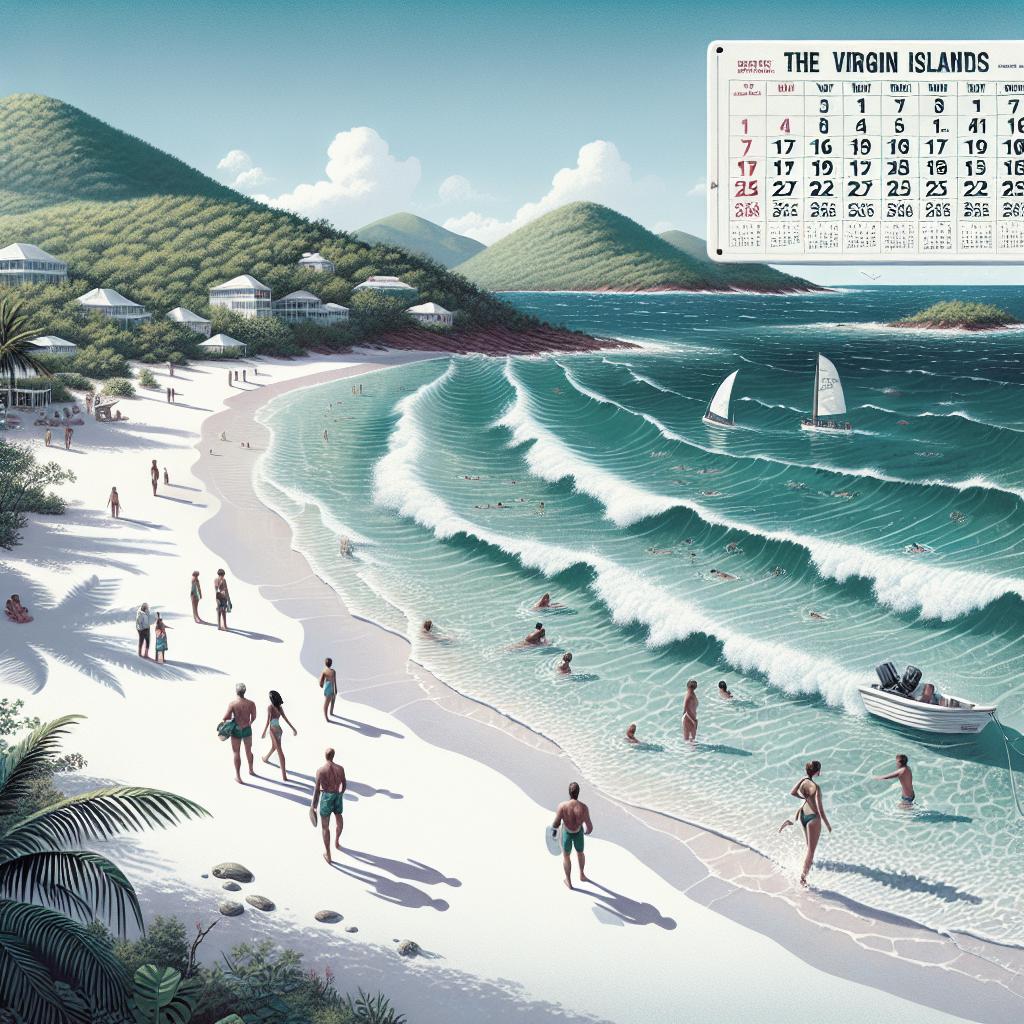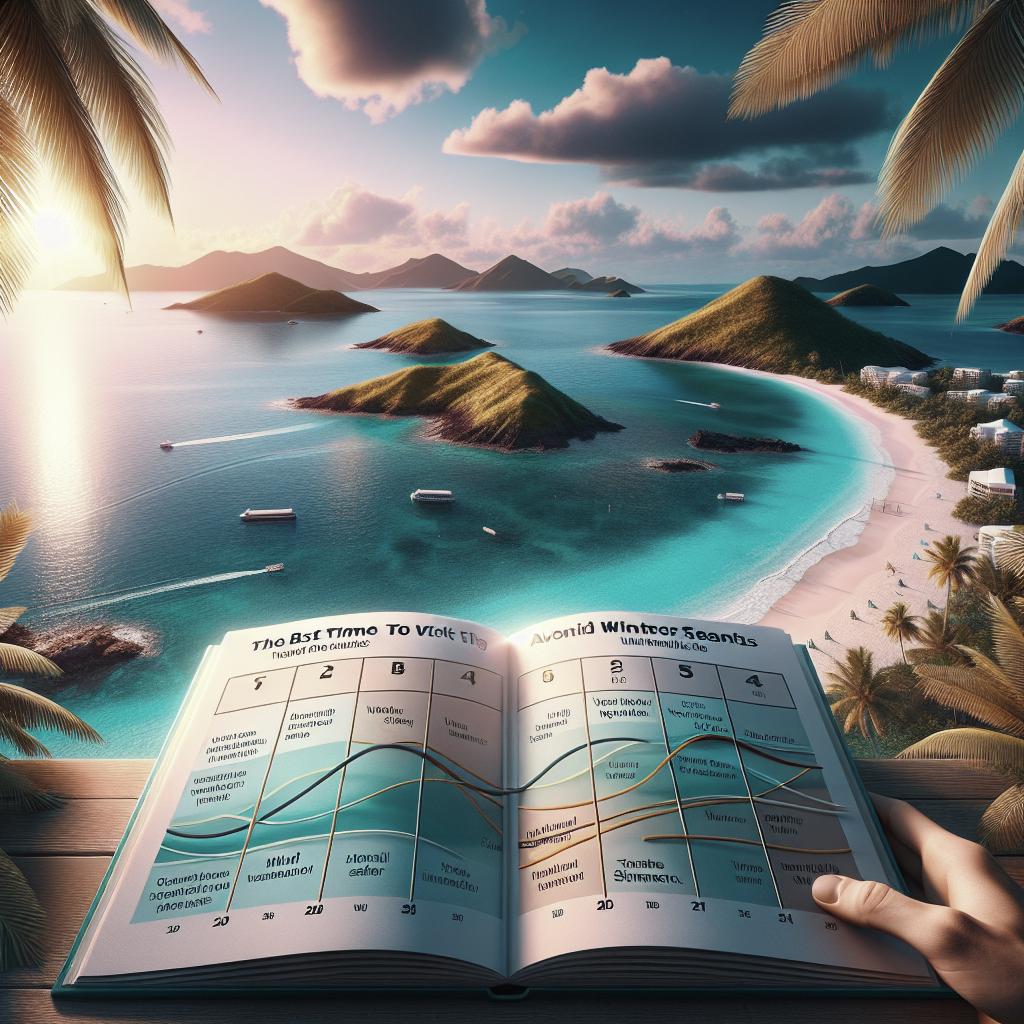
Planning a trip to the U.S. Virgin Islands involves more than just booking flights and hotels; timing your visit is crucial for maximizing your experience. From perfect weather and festivals to avoiding crowds and expensive rates, every month offers unique experiences. This guide will help you determine the best time for your vacation by examining weather patterns, peak tourist seasons, and key events throughout the year. By understanding these factors, you can choose the ideal month for your visit to this stunning Caribbean paradise.
Weather in the U.S. Virgin Islands
The U.S. Virgin Islands boast almost perfect weather year-round, with temperatures averaging between 77°F (25°C) and 82°F (28°C). The climate is tropical, characterized by consistent warmth and humidity, tempered by refreshing trade winds. Rainfall is relatively low, but the islands do experience a rainy season, which runs from September to November. During these months, brief but heavy showers are common, yet they seldom last long enough to ruin your plans. Hurricanes are a consideration when planning your trip. The Atlantic hurricane season lasts from June 1 to November 30, peaking in August and September. It’s advisable to monitor weather forecasts and avoid booking trips during these months if you wish to steer clear of potential storms.
Peak Tourist Season in the U.S. Virgin Islands
The peak tourist season generally runs from mid-December through mid-April, thanks to the appealing dry season and the winter holidays back in the States. This period sees an influx of tourists escaping the colder climates, causing higher prices for accommodations and flights. Beaches, attractions, and restaurants are busier, but the lively atmosphere can be an upside for those who enjoy socializing and people-watching. If you prefer a more tranquil experience with fewer crowds, consider visiting during the shoulder seasons—late spring and early fall. These windows offer a compromise between good weather and lighter tourist traffic, often with lower prices to boot.
Key Holidays & Events in the U.S. Virgin Islands
Holidays and festivals are an integral part of the island culture, providing unique opportunities to experience local traditions and festivities. One of the most prominent events is Carnival, celebrated in both St. Thomas (April/May) and St. Croix (December/January), featuring parades, music, dance, and local cuisine. Other notable events include the Virgin Islands Winemakers Dinner in October, showcasing fine wines and gourmet meals, and Emancipation Day on July 3, commemorating the abolition of slavery in the U.S. Virgin Islands. Visiting during these events offers a deeper insight into the local culture.
January
January is one of the best months to visit if you’re looking for pleasant weather and a bustling social scene. The average temperature hovers around 79°F (26°C), making it ideal for beach activities and water sports. It’s also a popular time for tourists, so you’ll find plenty of events and activities happening around the islands. Keep in mind that because it’s part of the peak season, prices for accommodations and flights will be higher, so early booking is recommended. Despite the higher costs, the festive atmosphere and perfect weather make January an excellent choice.
February
February continues the trend of fantastic weather with even less rainfall and consistent temperatures in the high 70s. It’s also a great time for snorkeling and diving, with clear waters and excellent visibility. The islands are still lively with tourists, and Valentine’s Day can make it a romantic getaway. However, as with January, expect crowds and higher prices. Consider taking advantage of local events like the Virgin Islands Game Fishing Club Tournament for an exciting addition to your itinerary.
March
March offers a slight dip in tourist numbers but maintains excellent weather, with average temperatures around 80°F (27°C). This month is perfect for outdoor activities like hiking, snorkeling, and exploring. The beaches are less crowded compared to January and February, offering a more relaxed atmosphere. One of March’s highlights is the St. Thomas Carnival, which begins at the end of the month and runs into April. The festival features parades, fireworks, and vibrant cultural displays, making it a fantastic time to immerse yourself in local traditions.
April
April sees the tail end of the peak tourist season, offering wonderful weather with temperatures in the low 80s. Rainfall is minimal, and the sea remains warm and inviting. This month provides a balance between good weather and fewer crowds, making it an ideal time to visit. St. Thomas Carnival continues into early April, offering more opportunities to enjoy the festivities. Additionally, the lower tourist numbers result in slightly reduced accommodation prices, enhancing the overall appeal of an April visit.
May
May marks the beginning of the shoulder season, characterized by warm temperatures and fewer tourists. With average highs around 82°F (28°C), it’s an excellent time for water activities and exploring the islands. Rainfall begins to increase, but showers are typically brief and won’t significantly impact your plans. In terms of costs, you’ll find more affordable rates for accommodations and flights. The quieter atmosphere allows for a more relaxed experience, whether you’re lounging on the beach or visiting historic sites.
June
June ushers in the beginning of the hurricane season, but storms are less likely early in the season. Temperatures remain in the low 80s, and while the probability of rain increases, it typically consists of short-lived showers. This month combines favorable weather with lower visitor numbers, making it a good time for those looking to save money. The St. John Festival, culminating on July 4, begins in late June, featuring cultural events, parades, and music. It’s an excellent opportunity to experience the island’s vibrant culture without the high-season crowds.
July
July is a hot and humid month, with temperatures reaching the mid-80s. Rain showers are more frequent, but they mostly occur in the late afternoon or evening. This month is ideal for budget-conscious travelers, as hotels and flights are more affordable during the off-season. Emancipation Day on July 3rd and Independence Day on July 4th offer unique cultural experiences, with various festivals and events commemorating these significant dates. While it’s a bit hotter and wetter, the cultural richness makes July a captivating time to visit.
August
August is one of the hottest months, with temperatures often exceeding 86°F (30°C). The humidity is at its peak, and the likelihood of rain and potential hurricanes increases. Despite the less favorable weather conditions, August offers the benefit of fewer tourists and lower prices. For those interested in marine life, August is an excellent time to spot sea turtles and other tropical fish during snorkeling and diving excursions, as the sea remains warm and teeming with life.
September
September is the peak of the hurricane season, making it one of the riskiest times to visit. High temperatures and humidity dominate, and heavy rainfall is frequent. Due to the increased risk of storms, many tourist businesses offer lower rates and might even close for the season. If you decide to visit in September, it’s crucial to stay updated with weather forecasts and have a flexible itinerary. The reduced tourist numbers provide an undisturbed experience for those willing to take the risk.
October
October sees a gradual decline in hurricane activity but remains part of the rainy season. Temperatures start to cool slightly, averaging around 82°F (28°C). This month offers a mix of sunny days and sporadic showers, making it a bit of a gamble weather-wise. For food and wine enthusiasts, the Virgin Islands Winemakers Dinners held in October provide a delightful experience, offering gourmet meals paired with exquisite wines. Although it’s a less popular time to visit, October’s events and lower costs can still make it a worthwhile trip.
November
November marks the end of the rainy season and brings pleasant weather with temperatures averaging in the high 70s. The risk of hurricanes diminishes, and the islands start to see more sunshine. Tourist numbers begin to rise towards the end of the month, leading into the peak season. Thanksgiving can be an enjoyable time to visit, offering a chance to experience island traditions and family-friendly events. The improving weather conditions combined with moderate tourist activity make November an attractive month for a getaway.
December
December is a prime time to visit, especially in the latter half of the month. The weather is superb, with temperatures around 78°F (26°C) and minimal rainfall. The islands are beautifully decorated for the holidays, and numerous events take place, making it a festive time to explore. As it falls within the peak season, expect higher prices and more tourists. Early December can offer a sweet spot with excellent weather and slightly fewer crowds, but as Christmas approaches, the islands become increasingly busy. Despite the hustle, December’s combination of ideal weather and holiday celebrations make it a magical time to visit.
Final Thoughts
Each month in the U.S. Virgin Islands offers its own set of advantages, from weather conditions and cultural festivals to tourist influx and cost considerations. Here’s a quick summary table to help you decide when to plan your trip:
| Month | Weather | Tourist Activity | Events |
|---|---|---|---|
| January | Warm, minimal rain | High | Peak tourist season |
| February | Warm, minimal rain | High | Valentine’s Day |
| March | Warm, minimal rain | Moderate | St. Thomas Carnival |
| April | Warm, minimal rain | Moderate | St. Thomas Carnival |
| May | Warm, increased rain | Low | Shoulder season |
| June | Warm, increased rain | Low | St. John Festival begins |
| July | Hot, frequent rain | Low | Emancipation Day, Independence Day |
| August | Hot, frequent rain | Low | Marine life excursions |
| September | Hot, high humidity, hurricanes | Very Low | Risk of storms |
| October | Warm, high humidity, hurricanes | Low | Virgin Islands Winemakers Dinners |
| November | Warm, end of rainy season | Moderate | Thanksgiving |
| December | Warm, minimal rain | High | Holiday celebrations |
Using this guide, you can tailor your trip to the U.S. Virgin Islands to your specific preferences, ensuring a memorable and enjoyable experience no matter when you choose to visit.