
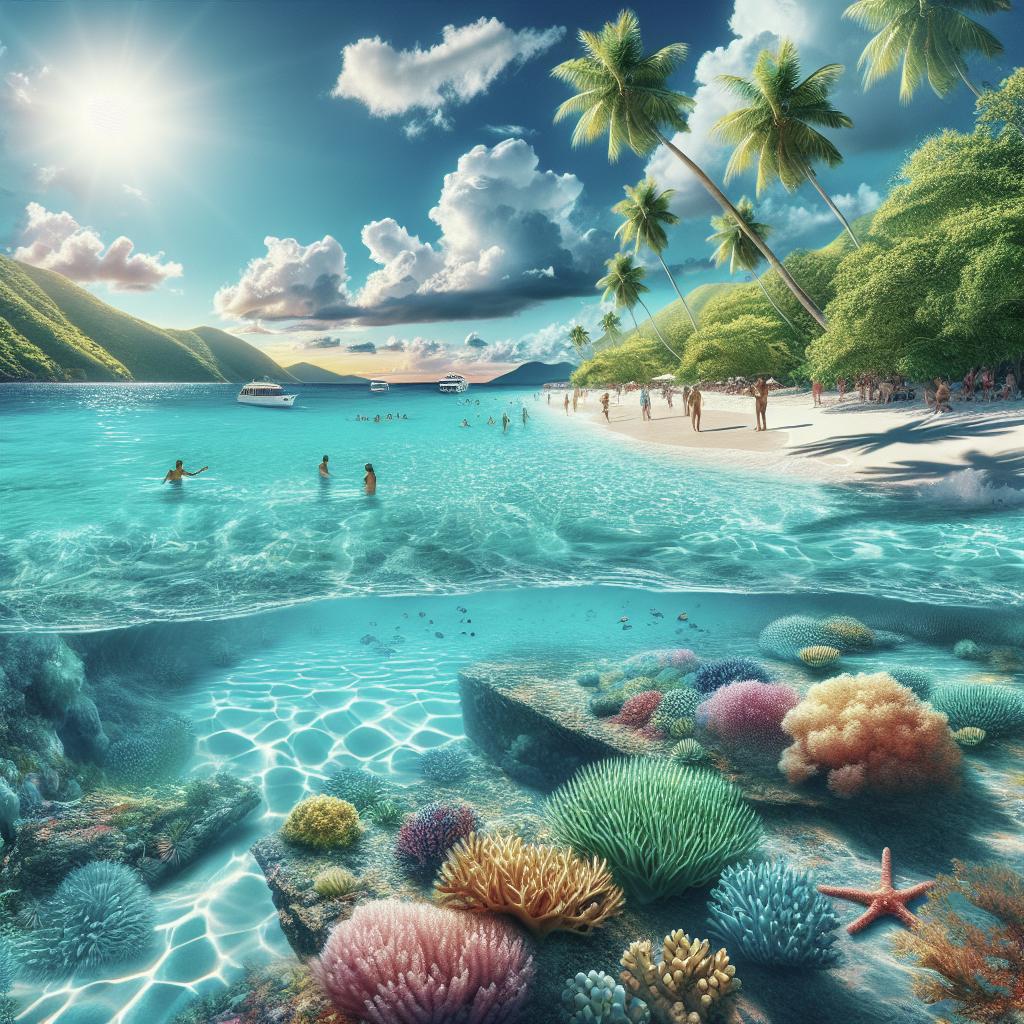
The U.S. Virgin Islands are a Caribbean paradise offering stunning beaches, crystal-clear waters, vibrant culture, and numerous activities for tourists. Given their tropical climate, these islands provide an enticing destination for travelers year-round. However, knowing the best times to visit can enhance your experience, whether you’re aiming for sunny skies, fewer crowds, or cultural festivities. In this blog post, we’ll delve into the weather patterns, peak tourist seasons, notable holidays and events, and monthly breakdowns to help you plan the ultimate trip to the U.S. Virgin Islands.
Weather in the U.S. Virgin Islands
The U.S. Virgin Islands enjoy a tropical climate, characterized by warm temperatures year-round and moderate seasonal changes. Average temperatures range from 77°F (25°C) in the winter to 82°F (28°C) in the summer. This consistent warmth makes it an attractive destination at any time of the year. Rainfall is another essential factor to consider. The wet season runs from June to November, coinciding with the Atlantic hurricane season. During these months, the islands are subject to short but intense rain showers, though they typically give way to sunny skies shortly thereafter. The dry season, from December to May, offers more consistent sunny weather, perfect for beach lovers.
Peak Tourist Season in the U.S. Virgin Islands
The peak tourist season in the U.S. Virgin Islands runs from mid-December to mid-April. This period attracts visitors looking to escape the winter chill of the northern hemisphere. Hotel rates and airfare prices can be significantly higher during these months, so booking well in advance is recommended. The influx of tourists also brings more crowded beaches and attractions. However, it’s an excellent time if you enjoy a lively atmosphere and don’t mind a bit more company on your island adventures. The pleasant weather during these months ensures that outdoor activities, from snorkeling to hiking, are generally more enjoyable.
Key Holidays & Events in the U.S. Virgin Islands
Carnival is one of the most celebrated events in the U.S. Virgin Islands. The festivities differ by island: St. Thomas hosts its Carnival in April, while St. John celebrates in June, and St. Croix lights up with its Carnival from Christmas through New Year’s. These celebrations feature parades, music, dancing, and traditional foods, making them a vibrant time to visit. Other notable holidays include Transfer Day on March 31, which commemorates the day the islands were transferred from Danish to American control. Emancipation Day on July 3 and Virgin Islands–Puerto Rico Friendship Day in October are also culturally significant, featuring events that give visitors a deeper understanding of the islands’ history and people.
January
January is an excellent month to visit the U.S. Virgin Islands. The weather is dry and pleasantly warm, with temperatures averaging between 77°F and 82°F. This month falls within the peak tourist season, so be prepared for higher prices and more crowded attractions. However, the January holiday crowds subside after New Year’s, making mid to late January a great time to enjoy the islands in relative tranquility. It’s also prime time for snorkeling and diving, as the visibility underwater is exceptional due to the dry conditions.
February
February continues the trend of ideal weather, with limited rainfall and plenty of sunshine. With Valentines Day, the islands become a romantic getaway for couples looking to escape colder climates. Beachfront resorts often offer packages and specials catering to romantic vacations. The beaches and tourist spots remain busy, but the island’s festive vibe is contagious. February is a particularly popular time for sailing and yachting, with several regattas held during the month, adding to the island’s bustling atmosphere.
March
March offers superb weather, continuing with the dry season’s trend of sunny skies and warm temperatures. St. Thomas hosts the annual St. Patrick’s Day Parade, bringing a touch of Irish cheer to the Caribbean. The event features lively parades, music, and a sense of community. March is also an excellent time for adventure seekers, as the clear waters and calm seas are ideal for various water sports, including kayaking and paddleboarding. For those who prefer land activities, the hiking trails are in optimal condition, and the cooler temperatures make for enjoyable treks.
April
April marks the winding down of the peak tourist season, yet the weather remains beautiful and inviting. Average temperatures rise slightly, with most days filled with sunshine. One of the highlights of April is the St. Thomas Carnival, which is celebrated with vibrant parades, food fairs, and live music. This month provides a unique blend of high energy from the ongoing festivities and moments of tranquility as the crowds begin to thin. It’s a fantastic month for a well-rounded experience of both cultural immersion and relaxation.
May
May serves as a transition month between the busy peak season and the quieter off-season. The weather remains lovely, with temperatures inching higher and sporadic rain showers making appearances. The end of Carnival on St. Thomas spills into early May, ensuring the first few days are packed with events and activities. Despite the onset of occasional rain, May is still an excellent time for outdoor ventures. From exploring coral reefs to hiking the lush rainforests, there’s no shortage of adventures waiting.
June
June kicks off the summer season, bringing warmer temperatures and increased humidity. This month signals the start of the wet season, but don’t let that deter you—showers are usually brief and followed by sunny skies. St. John takes center stage with its Carnival, culminating in a vibrant multi-day celebration around the Fourth of July. Traveling in June is more budget-friendly, as the influx of tourists drops off, leading to lower prices for airfare and accommodations. It’s a great time to explore the islands without the crowds, particularly appealing for those seeking a more peaceful retreat.
July
July sees the full onset of summer, marked by high temperatures and increased rainfall. Emancipation Day and the Fourth of July bring a burst of cultural events, particularly on St. John. The month is a fantastic time to experience the rich history and traditions of the islands. Although it’s wetter, July still offers plenty for adventurers. Water activities remain popular, and the lush landscapes come alive, providing awesome opportunities for nature photography and eco-tourism.
August
August is one of the hottest and wettest months in the U.S. Virgin Islands. The tourism scene is quiet, making it ideal for those who prefer a more secluded experience. The heat and humidity can be intense, but they are often mitigated by coastal breezes and air-conditioned accommodations. August is prime time for water-based activities. Warm sea temperatures make snorkeling and diving particularly enjoyable. Additionally, the underwater visibility is fantastic, providing a vibrant view of the marine life that thrives in these inviting waters.
September
September is typically the peak of the hurricane season, making it less advisable for travel. Many businesses, including hotels and restaurants, may close or operate on reduced hours as residents prepare for potential storms. However, if you do decide to visit, you might find incredibly low prices for travel and staying. Despite the risks, some travelers find the gamble worth it for the chance at serene, uncrowded beaches. It’s crucial to keep a close watch on weather forecasts and be prepared for changing plans at short notice.
October
October remains within the hurricane season but starts to see a reduction in storm activity as the month progresses. The islands are quieter, offering a more peaceful atmosphere for visitors. Virgin Islands–Puerto Rico Friendship Day is celebrated in October, highlighting the cultural and historic connections between the islands and nearby Puerto Rico. If you’re willing to take on some weather risks, October can be a rewarding time to visit, particularly for those who appreciate cultural experiences and less crowded attractions. The lush landscapes following the rainy season are also stunning.
November
November marks the end of the hurricane season and the beginning of more stable weather patterns. Temperatures remain warm, and rainfall decreases substantially, signaling the start of the dry season. The fall foliage and blooming flowers make the landscapes particularly picturesque. With fewer tourists than the peak season but more reliable weather, November offers a balanced option for visitors. It’s an excellent month for both relaxing beach days and adventurous excursions into the natural beauty of the islands.
December
December is the gateway to the peak tourist season, particularly after mid-month. The weather is fantastic, with minimal rainfall and comfortable temperatures perfect for outdoor activities. December also kicks off Carnival on St. Croix, bringing festive events and cheer to the season. Holiday decorations, markets, and festivities make December a magical time to visit, especially for those looking to celebrate the holidays in a warmer climate. Planning and booking early are recommended to secure the best deals and accommodations due to the popularity of this month.
Lessons Learned
In summary, the U.S. Virgin Islands offer something special throughout the year. Here’s a concise overview to help you decide when to plan your visit:
| Month | Weather | Tourist Crowds | Notable Events |
|---|---|---|---|
| January | Dry and Warm | High after New Year’s; moderates mid-January | New Year’s celebrations |
| February | Dry and Warm | High | Valentine’s Day |
| March | Dry and Warm | High | St. Patrick’s Day Parade |
| April | Dry and Warm | Moderate | St. Thomas Carnival |
| May | Warm | Moderate to Low | End of Carnival |
| June | Warm | Low | St. John Carnival |
| July | Hot and Humid | Low | Emancipation Day, Fourth of July |
| August | Hot and Humid | Low | Water activities |
| September | Hot, Wet, Stormy | Very Low | Low travel prices |
| October | Hot, less Wet | Low | Virgin Islands–Puerto Rico Friendship Day |
| November | Warm, dryer | Low to Moderate | End of hurricane season |
| December | Dry and Warm | High post mid-month | Christmas, St. Croix Carnival |

