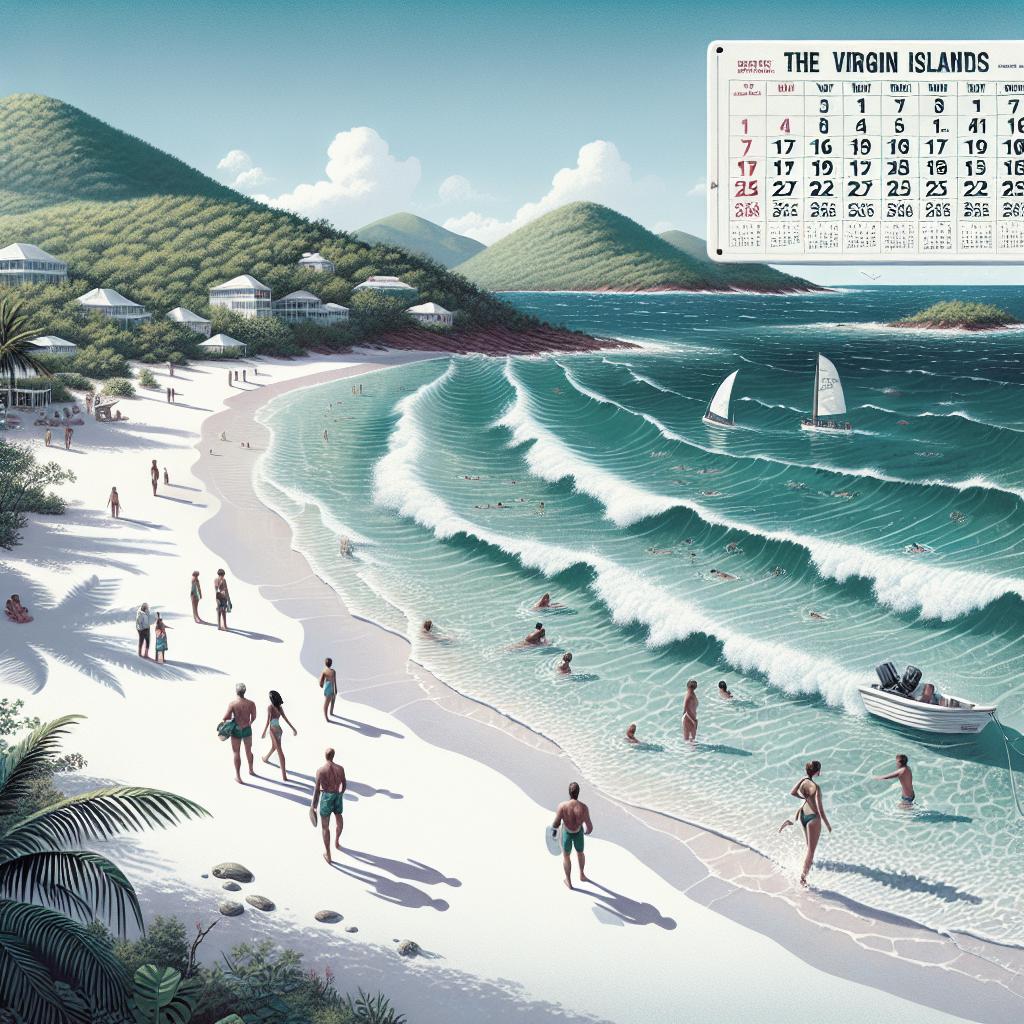
Exploring the US Virgin Islands can be a dream come true for many travelers. This Caribbean gem offers picturesque beaches, extensive history, and a plethora of events and activities. However, to truly enjoy your trip, it’s essential to know the best times to visit. This blog post aims to guide you through the varying weather conditions, tourist peaks, and special events from January to December. By understanding these factors, you can plan the perfect vacation to maximize your experience in the US Virgin Islands.
Weather in the US Virgin Islands
The weather in the US Virgin Islands is generally warm and tropical year-round, with temperatures ranging from 77°F to 88°F. The islands experience two main seasons: the dry season (December to April) and the rainy season (May to November). The dry season brings cooler and less humid conditions, which is perfect for outdoor activities and beach lounging. Rain showers are typically brief and followed by sunshine. The rainy season, while warmer and more humid, is characterized by short bursts of heavy rain. This period also coincides with the hurricane season, which peaks from June to November. Despite this, the rains can lead to lush landscapes and fewer tourists, making it an appealing time for those looking for seclusion and discounted rates.
Peak Tourist Season in the US Virgin Islands
The peak tourist season in the US Virgin Islands typically runs from December to April. This period sees the influx of many visitors escaping colder climates. As a result, popular attractions and beaches can get crowded, and accommodation prices surge. However, this is the best time to experience the islands’ vibrant social scene and diverse activities. If you prefer a quieter vacation, consider the shoulder months of late April and early May or late August and early September. During these times, the weather is still favorable, and the number of tourists dwindles, allowing for a more peaceful and intimate experience on the islands.
Key Holidays & Events in the US Virgin Islands
The US Virgin Islands host a plethora of events throughout the year, deeply rooted in the islands’ rich culture and history. In February, the islands celebrate Transfer Day, marking the transfer of the islands from Denmark to the United States. This includes parades, music, and local food. Carnival is another significant event, with the largest celebrations taking place on St. Thomas in April and on St. John in June. These carnivals feature extravagant parades, calypso music, and a myriad of cultural events. For a unique experience, attend the Thanksgiving Jump-Up in Christiansted in November, a street party filled with music, food, and dance.
January
January is a great month to visit the US Virgin Islands as it falls within the dry season. The weather is pleasantly warm, making it perfect for outdoor activities like hiking and snorkeling. The New Year’s Eve celebrations in the islands are also a highlight, with fireworks and parties lighting up the beaches. Tourist numbers begin to increase, so booking accommodations well in advance is advisable. Also, the holidays result in various local festivals and markets, offering a glimpse into the island culture and traditions.
February
February continues the streak of fantastic weather with mild temperatures and less humidity. This month also marks the celebration of Transfer Day, a significant historical event in the islands’ calendar. Public festivities and traditional performances provide a culturally enriching experience. Valentine’s Day is another reason to visit in February, as many resorts and restaurants offer special deals and romantic settings, perfect for couples looking to celebrate their love in a tropical paradise.
March
March offers an ideal mix of desirable weather and numerous events. The Virgin Islands International Game Fishing Tournament takes place this month, attracting anglers from around the world. The pleasant weather ensures plenty of sunshine without the stifling heat, making it ideal for exploring the islands. Additionally, March is a great time for sailors, with the St. Thomas International Regatta drawing yacht enthusiasts from around the globe. These events create a lively atmosphere across the islands, making it an exciting time to visit.
April
April marks the end of the peak tourist season, but it brings the St. Thomas Carnival, one of the year’s biggest events. Expect vibrant parades, live calypso, and steel pan music, along with delicious local food. This carnival offers a deep dive into the islands’ culture and a chance to participate in community celebrations. The weather remains favorable in April, characterized by warm temperatures and reduced rainfall, making it an excellent time for outdoor activities and beach visits. Traveling in April also allows for slightly lower accommodation rates following the peak tourist season.
May
May is an excellent month for exploring the islands’ natural beauty, as the rainy season starts to set in, though rainfall is usually sporadic. The landscape becomes lush and green, providing a beautiful backdrop for hiking and botanical garden tours. Fewer tourists visit in May, resulting in lower accommodation prices and less crowded attractions, creating a more relaxing atmosphere. The USVI Tourist Board often promotes special deals during this period to attract visitors, making it an economical time to visit.
June
June brings warmer, more humid weather as summer approaches. This month features the St. John Festival, another major cultural celebration. Revelers can enjoy parades, dances, and music, offering a vibrant local experience. June also marks the beginning of hurricane season, but early in the season, storms are relatively rare. Travelers who are willing to take the risk can enjoy fewer crowds and more intimate experiences at a lower cost.
July
July is characterized by warm temperatures and higher humidity levels. The 4th of July is celebrated with great enthusiasm, complete with fireworks, parades, and beach parties. It’s a spirited time to visit, especially if you enjoy lively celebrations. Though humidity is higher, the lush landscapes make it excellent for nature excursions. With fewer tourists around, you can also explore the islands more leisurely, finding quiet spots to relax and enjoy the natural beauty.
August
August falls in the heart of the rainy season, characterized by high humidity and occasional heavy showers. The increased rainfall contributes to the islands’ rich and vibrant flora, making it perfect for nature lovers and photographers. Despite the higher chance of rain, you can often find excellent deals on flights and accommodation. Activities such as snorkeling and diving are still very much enjoyable, with the added benefit of fewer crowds and a more peaceful atmosphere.
September
September is the peak of the hurricane season, making it the riskiest time to visit the US Virgin Islands. Many resorts and businesses close, and activities can be disrupted by storm warnings. However, for the adventurous, this month can also be the most economical, with significant discounts. Flexible travel plans and comprehensive travel insurance are advisable if you choose to visit in September.
October
October sees a gradual decline in rainfall and a return of tourists as the hurricane season nears its end. The weather starts to stabilize, and temperatures remain warm, providing a good balance between cost and climate. Many hotels and resorts offer pre-season discounts, and the less crowded attractions allow for a more leisurely exploration of the islands’ natural and cultural sites.
November
November marks the end of the hurricane season and the beginning of the dry season, making it a transitional month. The weather starts to become milder, and the islands begin to prepare for the upcoming tourist season. Thanksgiving Jump-Up in Christiansted is a highlight, offering a vibrant street party with music, dance, and local cuisine. Traveling in November allows you to take advantage of lower prices before the high season kicks in, providing a mix of good weather, fewer tourists, and a festive atmosphere.
December
December ushers in the dry season and the peak tourist period. The weather is ideal, with cooler temperatures and less humidity, making it perfect for all outdoor activities. Christmas and New Year’s celebrations add extra charm, with special events, decorations, and performances. While it is one of the busiest times, with higher prices for hotels and flights, the festive spirit and perfect weather make December one of the best months to visit the US Virgin Islands.
Future Prospects
| Month | Weather | Key Events | Tourist Activity | Travel Tips |
|---|---|---|---|---|
| January | Dry, warm | New Year’s celebrations | High | Book early |
| February | Dry, mild | Transfer Day, Valentine’s Day | High | Romantic deals |
| March | Dry, warm | Fishing Tournament, St. Thomas Regatta | High | Event-centric travel |
| April | Dry, warm | St. Thomas Carnival | High | Lower rates post-peak season |
| May | Start of rainy season | None | Low | Look for special deals |
| June | Warm, humid | St. John Festival | Low | Early hurricane season |
| July | Warm, humid | 4th of July Celebrations | Moderate | Experience local festivals |
| August | Warm, humid | None | Low | Excellent deals, lush landscapes |
| September | Wet, peak hurricane season | None | Very low | Flexible plans needed |
| October | Warm, decreased rainfall | None | Moderate | Pre-season discounts |
| November | Transition month | Thanksgiving Jump-Up | Moderate | End of hurricane season |
| December | Dry, mild | Christmas, New Year | High | Experience holiday festivities |
Armed with this knowledge, you are now prepared to plan the perfect trip to the US Virgin Islands, whether you’re seeking vibrant events, tranquil beaches, or just an escape from your daily routine.