
“`html
Best Time to Visit the US Virgin Islands
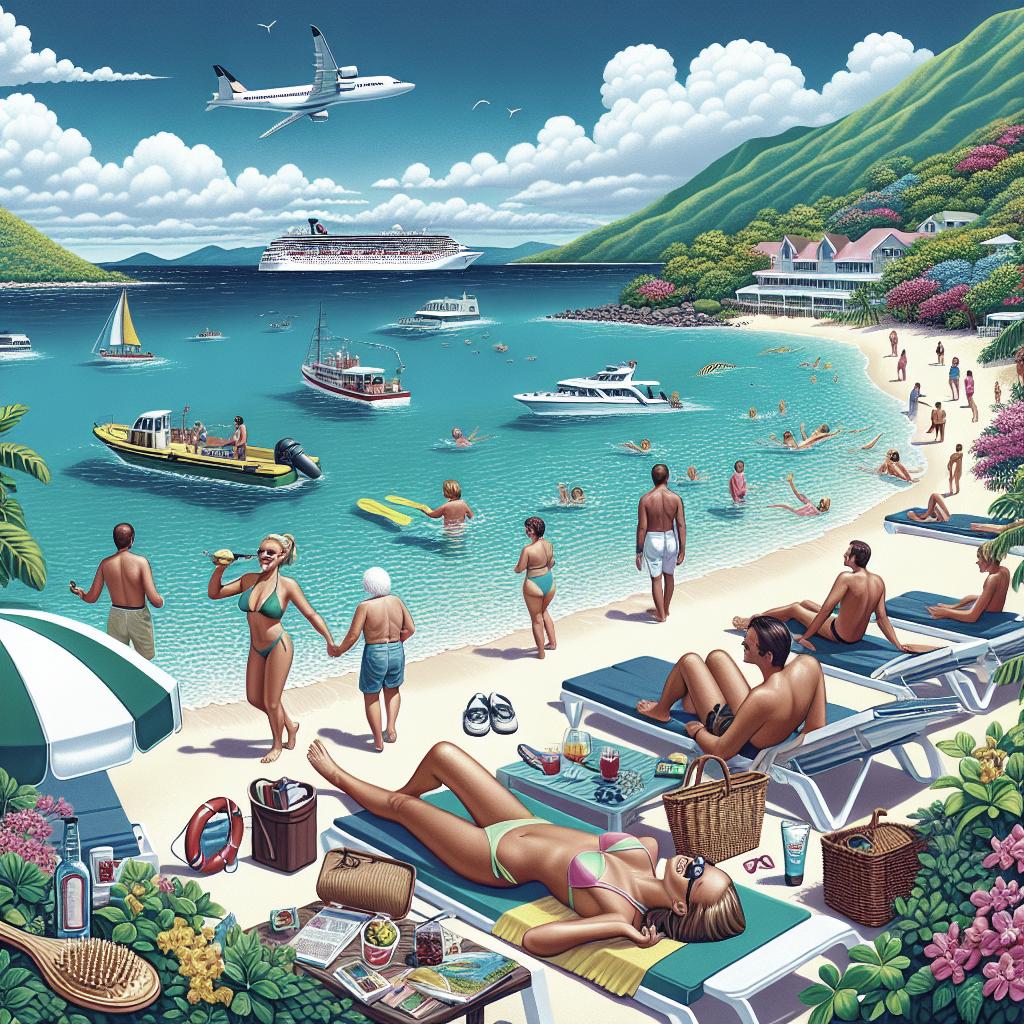
The US Virgin Islands is a tropical paradise known for its pristine beaches, crystal-clear waters, and vibrant culture. However, choosing the best time to visit can greatly impact your experience. This blog post will guide you through the pros and cons of visiting the US Virgin Islands during different seasons—Spring, Summer, Fall, and Winter. We will explore everything from weather conditions to tourist crowds and highlight the best activities available during each season. Whether you’re looking for serene beaches or a lively festival atmosphere, our comprehensive guide will help you plan the perfect trip to this Caribbean gem.
Spring
Spring, which spans from March to May, is arguably one of the best times to visit the US Virgin Islands. During this season, the weather is absolutely delightful, with average daytime temperatures ranging from 77°F to 84°F (25°C to 29°C). The humidity is lower compared to the summer months, making it a comfortable time to explore the islands. Additionally, this period falls outside of the Atlantic hurricane season, offering more predictable and stable weather. Another advantage of visiting during the spring is the relatively lower tourist crowd. While the islands do see an influx of visitors during spring break, it’s far less crowded than during the winter holiday rush. This means you get to enjoy the stunning beaches and tourist attractions without having to jostle with large crowds. Also, springtime offers unique activities such as the St. Thomas Carnival in April, which features parades, music, and delicious local cuisine.
Summer
Summer in the US Virgin Islands, from June to August, is characterized by higher temperatures and increased humidity. Daytime temperatures often soar to around 86°F to 90°F (30°C to 32°C), making it a hot season. However, the warm sea temperatures, ranging from 82°F to 84°F (28°C to 29°C), make it an ideal time for water sports such as snorkeling, scuba diving, and sailing. An appealing aspect of a summer visit is the opportunity to experience the islands more intimately. Summer is considered the off-peak period in terms of tourism, leading to lower accommodation rates and fewer crowds. Moreover, the risk of hurricanes remains relatively low in June and early July, though it increases as you approach August. It’s also a great time to witness the blooming of tropical fruits and flowers, making the natural scenery even more breathtaking.
Fall
Fall, which extends from September to November, is the least popular time to visit the US Virgin Islands due to the height of the Atlantic hurricane season. The islands receive the greatest amount of rainfall during this period, leading to increased humidity and, at times, potential tropical storms or hurricanes. Daytime temperatures hover around 79°F to 87°F (26°C to 31°C), which can still be quite warm, but the weather can be unpredictable. Despite these challenges, visiting during the fall has its perks. It’s the least crowded time of the year, which means you can enjoy a more serene and personal experience. The accommodation rates drop significantly, and there are often discounts on activities and tours. Additionally, the lush green landscape flourishes after the rains, providing a verdant and picturesque backdrop for your island adventures. If you’re willing to take a chance with the weather, fall can offer a tranquil escape.
Winter
Winter, spanning from December to February, is the peak tourist season in the US Virgin Islands. The islands experience their most pleasant weather during these months, with daytime temperatures between 70°F and 83°F (21°C to 28°C) and lower humidity levels. This makes it an excellent time for outdoor activities such as hiking, beach lounging, and exploring historical sites. Because of the ideal weather conditions, winter is the busiest time of the year, and the islands are packed with tourists. Consequently, accommodation rates are at their highest, and popular attractions can be crowded. However, the festive atmosphere of winter, with events like Christmas and New Year’s celebrations, adds to the charm of the islands. If you plan a winter trip, make sure to book your accommodations and activities well in advance to secure the best options.
Lessons Learned
| Season | Pros | Cons |
|---|---|---|
| Spring | Perfect weather, fewer tourists, St. Thomas Carnival | Moderate crowds during spring break |
| Summer | Warm sea for water sports, lower prices, fewer crowds | High temperatures, increasing hurricane risk in August |
| Fall | Least crowded, lowest accommodation rates, lush scenery | Height of hurricane season, unpredictable weather |
| Winter | Best weather, festive atmosphere, ideal for outdoor activities | Most crowded, highest accommodation rates |
“`

