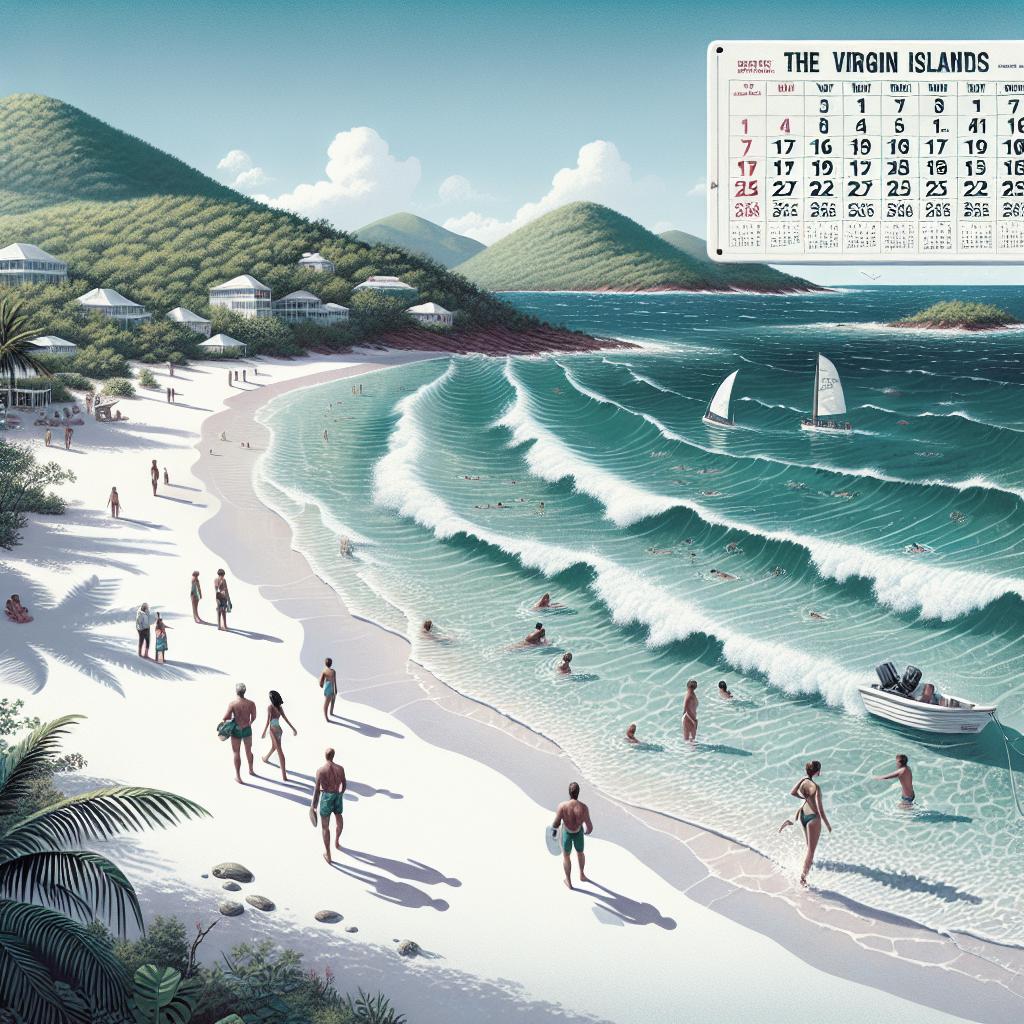
The island of St. Thomas in the U.S. Virgin Islands is a Caribbean gem, brimming with natural beauty, vibrant culture, and exciting activities. Deciding the best time to visit St. Thomas depends on various factors including weather, tourist season, and special events. In this blog post, I’ll explore the climate of the U.S. Virgin Islands, identify peak tourist times, and review each month’s unique attributes. From January’s cooler breezes to December’s holiday festivities, there’s something special about every part of the year in St. Thomas, ensuring you find the perfect time to plan your adventure.
Weather in the US Virgin Islands
The weather in the U.S. Virgin Islands is typically warm and tropical throughout the year, with average temperatures ranging from the mid-70s to the upper 80s Fahrenheit. This makes St. Thomas an inviting destination no matter the season. However, it’s essential to consider the wet and dry seasons when planning your trip. The dry season usually spans from December to April, offering more sunny days and less rainfall. Meanwhile, the wet season from May to November brings more rain showers and higher humidity, peaking around September and October. While rainy periods are often short, travelers should note that hurricane season runs from June to November, with storms being most likely from August to October.
Peak Tourist Season in the U.S. Virgin Islands
The peak tourist season in the U.S. Virgin Islands generally coincides with the dry season, spanning December through April. During this time, the weather is most predictable and pleasant, drawing visitors seeking an escape from colder northern climates. The island teems with life, and popular sites like Magens Bay and Coral World Ocean Park buzz with activity. However, with the surge in tourism comes increased prices for accommodations and activities. It’s wise to book well in advance if you’re traveling during these months. The hustle and bustle can be both a draw and a deterrent depending on your preference for crowds or solitude.
Key Holidays & Events in the U.S. Virgin Islands
St. Thomas hosts several key holidays and events that can enhance your visit. One of the most notable is the St. Thomas Carnival, held primarily in April. It’s a vibrant celebration featuring parades, music, dancing, and local cuisine. The Carnival is the island’s largest annual event and is a fantastic way to experience local culture. Another noteworthy event is the Virgin Islander Christmas, celebrated with equal fervor, and you’ll find the island adorned with festive decorations. Additionally, Thanksgiving, New Year’s Eve, and Independence Day stimulate a variety of local festivities that can provide a unique travel experience.
January
January offers cooler and drier conditions, making it an ideal time for outdoor activities. Whether you’re keen on snorkeling, hiking, or exploring historic sites, the pleasant weather enhances every adventure. The occasional trade wind provides a refreshing breeze, particularly welcoming to those escaping colder climates. This month sees a moderate number of tourists; however, post-holiday travel often results in slightly lower prices than the peak of December. It’s an excellent month for a balanced experience of enjoyable weather and manageable crowds.
February
February continues the trend of cool, dry days with plenty of sunshine. It’s an exceptional time for water-based activities, as the seas are generally calm. The underwater visibility around this time is excellent, making it perfect for divers and snorkelers. With Valentine’s Day in the mix, many couples flock to the island for a romantic getaway, adding to the busy nature of the month. Advanced planning for accommodations and activities is recommended as demand is high.
March
March marks the tail end of the high season and boasts similar weather to January and February, providing another fantastic window for visiting St. Thomas. As spring break kicks in, expect an influx of younger travelers and families. The month also ushers in early signs of the local preparations for the famed St. Thomas Carnival. While the main events occur in April, the sense of excitement builds, allowing visitors to enjoy some preliminary celebrations and local folklore.
April
April is synonymous with Carnival in St. Thomas. This month is arguably the most vibrant time to visit, brimming with events, parades, and a joyous atmosphere. The Carnival’s lively celebrations represent the pinnacle of St. Thomas’s cultural festivities and offer an immersive local experience. Weather-wise, April still benefits from the drier season, although you might encounter occasional showers. Be prepared for larger crowds and book accommodations well in advance as the festival attracts a considerable number of tourists.
May
May marks the beginning of the wet season, but rain showers are often brief and quickly followed by sunshine. The transition into a quieter tourist period means fewer crowds, allowing for a more relaxed experience. Travelers in May can enjoy slightly reduced rates on accommodations and activities. The lush island landscape starts to flourish, enhanced by the occasional rain, making it a great time for nature enthusiasts eager to explore St. Thomas’s natural beauty.
June
June enters the start of the hurricane season, though significant storms are rare this early. The weather remains warm and inviting, with occasional rain showers to provide a refreshing break from the sun. One highlight of June is the U.S. Virgin Islands Emancipation Day on the 30th, celebrating the abolition of slavery in the islands. This day is marked by cultural events and historical reenactments providing a deeper understanding of local heritage.
July
July weather in St. Thomas is typically hot and humid, but the allure of summer events and festivities draws visitors. Independence Day celebrations on July 4th are a highlight, showcasing fireworks, local music, and various community activities. While July falls within hurricane season, significant storms are still relatively infrequent. Travelers can capitalize on moderate tourist activity and enjoy the blend of sunny days with occasional rain.
August
August in St. Thomas is characterized by increased heat and humidity, and it’s firmly within the hurricane season. Despite the warmer and wetter conditions, the island still offers plenty to explore and enjoy. For those unphased by the potential for storms, this month provides opportunities for summer vacations with less crowded attractions and more affordable rates on accommodations. Just be attentive to weather forecasts as part of your travel planning.
September
September is the heart of the hurricane season in the Caribbean, making it the riskiest month for travel to St. Thomas. Significant storms and rainfall are more probable, which can disrupt travel plans and island activities. However, if you’re willing to take the risk, you’ll find the island almost deserted, offering an exclusive feel. Be sure to have travel insurance and flexible plans to adjust to potential weather changes.
October
October continues the trend of higher risk for hurricanes but marks the tail end of the wettest season. Rain showers are frequent, and humidity levels are high, yet it’s also when the island begins to prepare for welcoming more tourists in the upcoming dry season. With fewer crowds, this month can be a surprisingly good time for those seeking seclusion and lower travel costs. Just ensure you keep an eye on weather updates and have a contingency plan.
November
November traditionally sees the tapering off of hurricane season, which means improving weather conditions. As the month progresses, the risk of storms diminishes, and the island starts to transition back into the dry season. Thanksgiving festivities toward the end of November can add a touch of the familiar American holiday spirit to your vacation experience, blending local culture with traditional celebrations. Tourist numbers begin to rise, so it’s wise to book early.
December
December heralds the start of the peak tourist season. The weather is typically excellent, with clear skies and mild temperatures ideal for all sorts of holiday activities. The island dons a festive look, making it a magical time to visit. Christmas and New Year’s Eve are celebrated with island flair, featuring local parades, music, and fireworks. Given the popularity of this month for tourists, early reservations for accommodations and excursions are essential to avoid disappointment.
| Month | Weather Summary | Tourist Activity | Key Events |
|---|---|---|---|
| January | Cool, dry | Moderate | N/A |
| February | Cool, dry | High | Valentine’s Day |
| March | Cool, dry | High | Spring Break |
| April | Cool, dry | High | Carnival |
| May | Transition to wet season | Low | N/A |
| June | Warm, occasional rain | Moderate | Emancipation Day |
| July | Hot, humid | Moderate | Independence Day |
| August | Hot, humid, wet | Low | N/A |
| September | Warm, highest hurricane risk | Low | N/A |
| October | Warm, high hurricane risk | Low | N/A |
| November | Transition to dry season | Moderate | Thanksgiving |
| December | Cool, dry | High | Christmas, New Year’s Eve |