
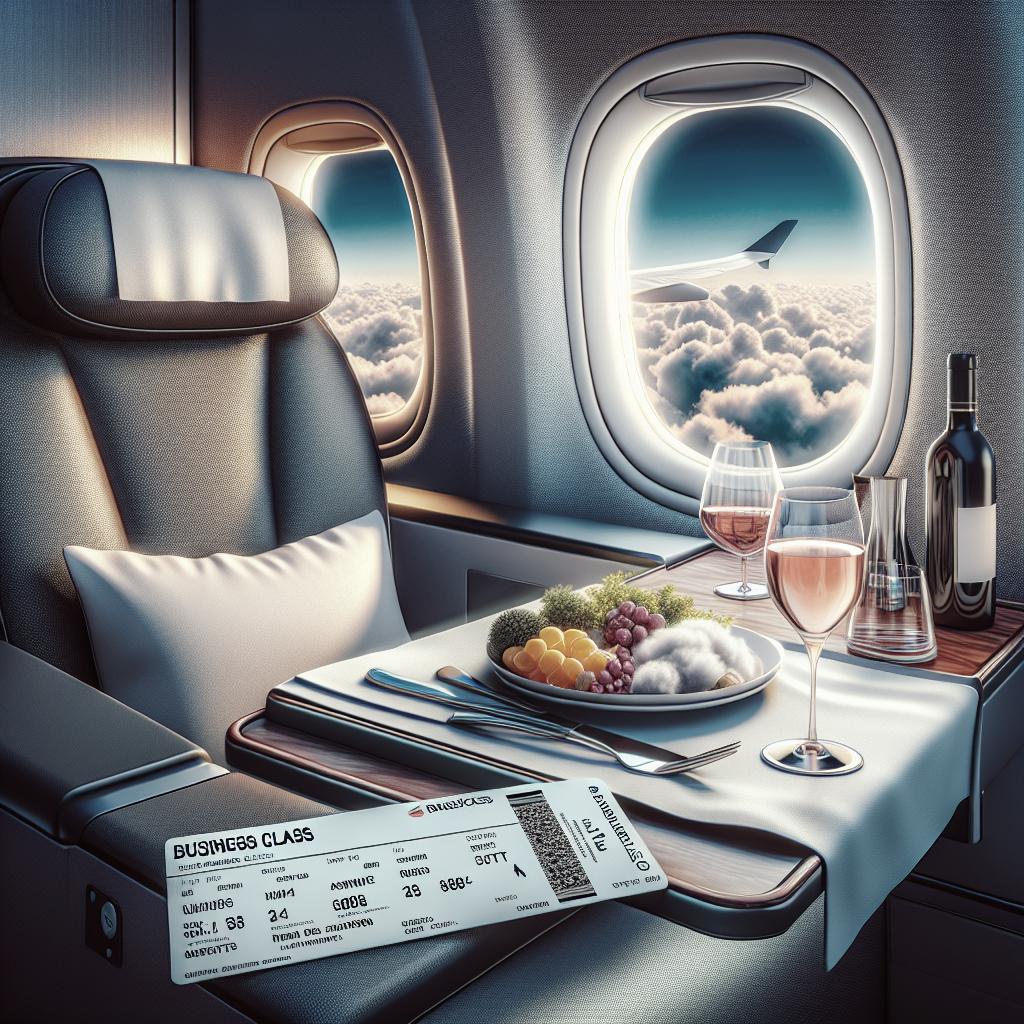
Dreaming of the luxurious life, sipping champagne miles above sea level, ensconced in the blanket of opulence that business class offers, but worried about the cost? You’re not alone. Many travelers aspire to experience the comfort of business class without breaking the bank. This blog post unlocks the secrets of how to score cheap business class tickets. We’ll delve into tips for finding those elusive deals, understanding the intricacies of upgrading from economy, and weigh the benefits of business versus first class. Your journey to affordable luxury travel starts here!
Here’s how to get first class tickets for cheap
Getting first class tickets at a fraction of their original cost might seem like a herculean task, but it’s entirely possible. Timing is critical. Airlines often drop prices during sales or when they need to fill the cabin. Being aware of these opportunities can save you hundreds, if not thousands.
Additionally, having flexibility in your travel dates can be a game-changer. Airlines offer lower prices during off-peak times when demand is lower. This means avoiding peak vacation periods, holidays, and weekends can lead to significant savings. Beyond this, using points and miles effectively can make first class within reach—more on that later.
Tips for finding cheap business class tickets
Prolific travelers employ a mix of strategies to ensure they’re getting the best deal available. One tactic is to use fare alerts from websites like Google Flights or Skyscanner. These platforms allow you to track ticket prices and notify you when they drop.
Another invaluable resource is utilizing social media and newsletter subscriptions from various airlines. Often, airlines release special discounts, flash sales, and offers exclusively to their subscribers and followers. Additionally, booking during sales events like Black Friday or Cyber Monday can unlock further discounts.
How do I do it?
Patience and diligence are essential when searching for affordable business class fares. Start your search early and monitor prices regularly. Frequent searches on incognito mode can also help, as browsing history can sometimes lead to inflated prices.
Consider alternative routes or airlines. Sometimes flying with a lesser-known carrier or taking a less direct route can offer significant savings. Also, checking prices from nearby airports may reveal cheaper options.
How Do You Fly First Class for Cheap?
The quest to fly first class for cheap revolves around leveraging every tool and strategy available to you. One fundamental approach is utilizing loyalty programs. Accumulating points through everyday spending, flying, or promotions offered by airline partners can substantially reduce the cost.
Additionally, looking for error fares, which are pricing mistakes by airlines, can also present enormous deals but require swift action. Websites and forums dedicated to spotting these errors can be valuable resources.
Key Takeaways
The primary takeaway here is to be proactive and resourceful. Leverage fare alerts, loyalty programs, and be ready to act quickly on error fares. Combine these strategies with flexibility in travel dates and routes to maximize your chances of landing a fantastic deal.
Understanding How to Get Cheap First Class Flights
Understanding the landscape of airline pricing can demystify the process of securing cheap first-class flights. Airlines use complex algorithms that change prices based on demand, time to departure, and market trends. Getting familiar with these patterns can give you an edge.
Frequent travel forums and blogs often share insights and hacks, including when airlines typically release their cheapest fares. Staying tuned to these can help you pounce on the best deals the moment they become available.
Don’t Book Business Class Directly
It might seem counterintuitive, but booking business class directly is not always the most economical choice. Instead, booking a flexible economy ticket and monitoring business class upgrade offers post-booking can sometimes cost less.
Airlines frequently offer discounted upgrades to fill business class seats closer to departure when faced with surplus capacity. This approach can be particularly fruitful if you’re willing to gamble on availability.
Easy Up Fares
A relatively lesser-known tactic is to look for “easy up” fares. These are typically special or promotional economy fares that come with a higher likelihood of affordable upgrade options. This can be a middle-ground approach between securing an economy ticket and a business class experience.
Airlines often promote these fares subtly, so it requires keen observation and sometimes direct inquiries with the airline’s customer service.
Remain Loyal
Loyalty pays off, especially with airlines. Frequent flyer programs reward consistent patrons with points, upgrades, and exclusive deals. Sticking with one or two primary carriers can accumulate benefits quickly.
In addition to accruing points, loyalty programs often provide frequent flyers with complimentary upgrades and early notification of sales. This can be indispensable for snagging those elusive business class deals.
Use Elite or Airline Credit Cards
Elite and airline credit cards are powerful tools for reducing business class travel expenses. These cards typically offer sign-up bonuses, accelerated points accumulation, and other travel-related perks.
They also often provide companion tickets, lounge access, and free checked bags, adding significant value to your travel experience. Used wisely, these benefits can significantly reduce the overall cost of flying business class.
Buy the Points
Purchasing points during promotions by airlines can sometimes offer incredible savings on business class flights. Many airlines offer bonus points during these sales, which can make buying points more economical than purchasing a ticket outright.
Combining points purchase promotions with existing points can often be an effective way to book a premium class ticket without paying the full fare.
Fly When Business Travelers Don’t
Timing your flights to avoid peak business traveler periods can also yield savings. Business-heavy routes are priced higher during weekdays when corporate travel is at its peak.
Flying on weekends, holidays, or during off-peak hours when business travelers are less likely to book can help uncover lower fares.
Watch for the Open Seat
Monitoring flights for open seats close to departure can sometimes allow for last-minute upgrades at a discount. Airlines prefer to fill premium seats even at a reduced rate rather than leaving them empty.
This requires some risk tolerance, but if you’re willing to wait it out, the payoff can be substantial. Keep track of seat availability through the airline’s app or third-party services.
Upgrade at Check-In
Another last-minute strategy is to ask about upgrade availability at check-in. Airlines sometimes offer significant discounts to economy passengers if business class seats haven’t sold out.
It never hurts to ask. Be polite and inquire about upgrade options—sometimes, the front desk staff can provide deals not available online.
Business vs. First Class
Understanding the difference between business and first class is crucial. While both offer increased comfort, the distinctions can be substantial. Typically, first class includes more privacy, better service, and additional amenities like premium food and beverage options.
Business class, meanwhile, offers a comfortable and spacious seating arrangement, often with lie-flat seats, enhanced service, and priority boarding. Deciding which is worth it depends on your preferences and budget.
Is it Worth Flying First Class?
The value of flying first class depends on the traveler and their expectations. If the primary goal is comfort, rest, and arriving refreshed, then first class could be worth the splurge, especially on long-haul flights.
For others, the incremental price difference between business and first class might not justify the added costs. Weighing the benefits and your budget can help you make an informed decision.
How Do You Ask for an Upgrade to First Class?
Politely and strategically requesting an upgrade can sometimes result in an unexpected treat. Engage with the airline staff early and express your interest in upgrading. Dressing smartly and presenting yourself as a loyal or regular customer can help.
Mentioning special occasions such as anniversaries or birthdays often doesn’t hurt. Courtesy and friendliness go a long way in receiving favorable treatment from staff.
How Much Does It Cost to Upgrade to First Class?
Upgrade costs can vary based on the airline, route, and timing. Some upgrades can be secured for a few hundred dollars, especially if purchased closer to departure. Using points can also defray much of the cost.
Occasionally, bidding for upgrades through the airline’s auction platform or online portal offers can produce great deals. The key is flexibility and keeping an eye on the dynamic pricing.
How Much Does It Cost to Fly Business Class?
Business class fares can range widely based on the carrier, destination, and time of booking. Deals can often be found for below $1,000 on shorter routes, while longer, international routes might go up to several thousand dollars.
Points, upgrades, and promotional fares can often reduce these costs significantly, sometimes to a fraction of their listed price.
The Bottom Line
Flying business or first class doesn’t have to break the bank with the right tools and strategies. Flexibility, loyalty programs, strategic timing, and leveraging points and miles are essential in securing affordable luxury travel.
By following these tips and remaining persistent, you can occasionally enjoy the extravagance of premium flights without the premium price tag.
| Strategy | Description |
|---|---|
| Fare Alerts | Utilizing platforms like Google Flights and Skyscanner to track and get notified of price drops. |
| Flexible Dates | Booking during off-peak times and avoiding peak periods to find lower prices. |
| Loyalty Programs | Accumulating points and miles through frequent flyer programs for reduced fares or free upgrades. |
| Elite/Airline Credit Cards | Using credit card rewards, bonuses, and perks to offset flight costs. |
| Purchase Points | Buying points during promotional sales to use towards business or first class tickets. |
| Auctions/Bidding | Bidding for upgrades or taking advantage of upgrade offers closer to departure. |

